Top 7 Characteristics and Qualities of a Good Teacher
- Friendliness and Congeniality. I think the most important characteristic of a good teacher can have is to be friendly and congenial with his students. ...
- A Good Personality. ...
- Deep Knowledge and a Great Education. ...
- A Good Communicator. ...
- A Good Listener. ...
- A Good Sense of Humor. ...
- Kindness
- A good teacher affects eternity; he can never tell where his influence stops
- — Henry Adams
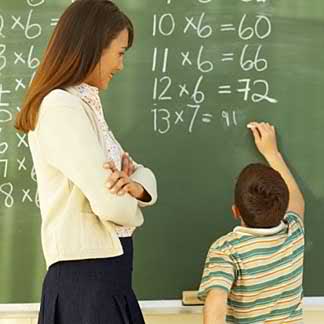 Every teacher wants to be a good teacher, but what is this myth about being a "good teacher"? Who is it? What are the characteristics? And how can you become one?
Teaching jobs are often lucrative and satisfying for people who love to teach. I am a teacher too, though I do not think myself as a very good teacher, but I know for one thing that majority of my students do love me, and I guess this is the point where good things start to happen.
I was thinking about what are the characteristics of a good teacher and how can I one. Or which characteristics and qualities should a good teacher possess? So I came up with some qualities which I found most relevant for a person involved in a teaching job. I believe if a teacher possesses the following characteristics and qualities, he/she can become a very good teacher with large fan base too.1. Friendliness and Congeniality
I think the most important characteristic of a good teacher can have is to be friendly and congenial with his students. It is a plus if his students can share their problems with him, without being afraid or hesitant. I think students have always thoughts of their teachers as their enemies (in a funny sense though :p). With this mentality, they can never be close to each other, and besides that how many teachers did you like who were NOT friendly, and were rather arrogant and rude?2. A Good Personality
A good teacher has a very good personality; there is no second thought about it. Students always get attracted to teachers with good personality which leads to better communication, understanding, and ultimately good results. Everyone can have a good, decent, likable, and presentable personality. Just dress sensibly well, smell good, and be a little gentle and kind. That's all.3. Deep Knowledge and a Great Education
Another important characteristic of a good teacher is his knowledge and own education. There is a saying that 'a teacher is only as good as his knowledge is.' After all, he is doing a teacher's job, which is to teach. If he himself lacks in the knowledge of a certain subject that he teaches, he is never going to make a name for himself. So, sign up with only that subjects which you have really good expertise; and it is a moral duty too. Otherwise, it is not worth it.4. A Good Communicator
One of the very important characteristics of a good teacher is his communication skills. He should be a very good speaker. This characteristic will provide benefits in several ways. For example:
- If his communication skills are good, he can convey his lectures with better skill and results.
- If he is a good speaker, his class strength increases automatically. People love to hear a person who he can speak well enough. There is always a shortage of good speakers in the world ;)
5. A Good Listener
Apart from being a good communicator, a good teacher should also have the characteristic of being an even better listener. As there is Turkish proverb:
"If speaking is silver; then listening is gold."
Remember, a good listener will always have many friends and fans. Because people do not want to hear every time, they need people who can listen to them as well. And when a good teacher develops this patient quality in himself, he starts to become a great teacher.6. A Good Sense of Humor
A good teacher should also have the quality and characteristic of having a good sense of humor. It is a logical fact that a person generally teaches the next generation and as they are younger than the professor, they are expected to have more fun in the class too. So, a good teacher is the one who can keep up with his sense of humor, and with his strong communication skills and personality, can also maintain the discipline of the class.7. Kindness
The last but obviously one of the most important characteristics to have in his box of qualities: he should be a gentle, kind, chivalrous, and benevolent person. Students should love him, and when they do love him, they idolize him. Then ultimately, they will respect him, will do the homework, and eventually will bring greater outputs and results.Best regards
Nagesh
To add to that;
ReplyDeleteA good teacher creates a learning environment that is both stimulating and disciplined.
A good teacher holds the philosophy that every child can.
More so, a good teacher is so powerful such that even when he does nothing, he does something in class. He even has an effect on the class when he is not present.
Thank you.
Gabriel Ahan T (CTR)
Nigeria.
To add to that;
ReplyDeleteA good teacher creates a learning environment that is both stimulating and disciplined.
A good teacher holds the philosophy that every child can.
More so, a good teacher is so powerful such that even when he does nothing, he does something in class. He even has an effect on the class when he is not present.
Thank you.
Gabriel Ahan T (CTR)
Nigeria.
I found your article on the top 7 characteristics and qualities of successful people truly insightful! Your breakdown of qualities like resilience, adaptability, and passion resonated with me. It's inspiring to see how these traits contribute to personal and professional growth. I love to share Effective Tutoring Strategies to help prepare your students for exams. Thanks for this beneficial article.
ReplyDelete